When people hear the word relationships, most minds go

straight to partners, family, friends, coworkers — the visible connections. February makes that even louder. Store aisles turn pink, social media fills with couple photos, and conversations drift toward who has plans, who feels appreciated, and who feels left out. For a lot of people, the month quietly turns into a kind of check-in: Is my relationship okay? Am I the only one struggling? Why does this seem easier for everyone else?
Here’s something we notice every year at Healing Focus Counseling. When people reach out for therapy around February, they usually believe they’re coming in because of someone else — a partner, a breakup, ongoing conflict, or loneliness. And sometimes that’s true. But as sessions go on, a different theme tends to show up.
The relationship causing the most distress usually isn’t the one they expected. It’s the relationship they have with themselves.
There’s an ongoing voice inside all of us. It runs in the background after conversations, before hard moments, and especially after mistakes. Most people don’t realize how constant it is until they start paying attention. But that inner commentary shapes reactions far more than the outside situation.
Self-Talk
In therapy we spend a lot of time helping people communicate better with others — listening, apologizing, asking for needs, repairing conflict. But there’s another kind of communication happening nonstop: the way someone talks to themselves.
And honestly, it’s often rough.
After a social interaction: That was awkward.
After forgetting something: You should have known better.
During a busy day: You’re behind.
After an argument: You messed everything up.
This voice usually isn’t intentional cruelty. Most people learned it somewhere along the way. Being hard on oneself felt like a way to stay motivated, avoid mistakes, or prevent rejection. The idea was simple: if expectations stay high, improvement will follow. But the brain doesn’t hear motivation. It hears danger. When the mind repeats not good enough over and over, the nervous system reacts as if something is wrong right now. Anxiety rises. People overthink. They withdraw or become reactive. Relationships start to feel fragile — not because there isn’t love, but because there isn’t much internal safety.
Self-Awareness: Where Change Actually Starts
Self-awareness sounds big and complicated, but it usually begins with something small: noticing. Noticing thoughts after a tiny mistake. Noticing a strong reaction to a small situation. Noticing tension in the body after perceived judgment. One question we often ask clients is simple: Would you say this to someone you care about?
If a friend spilled coffee, forgot a plan, or got nervous in a conversation, most people would respond gently. They’d reassure, laugh it off, help them reset.
But internally, many people respond with criticism, impatience, or disappointment. Over time, the mind never really rests. Even good experiences get replayed and analyzed. Conversations are reviewed later like game film. There’s always a sense of preparing for something going wrong.
So people try to fix relationships on the outside while the relationship on the inside stays tense.
Why This Affects Every Relationship
It’s easy to assume relationship problems come down to compatibility, communication style, or emotional availability. Those things matter. But the tone of internal dialogue plays a bigger role than most expect. If the inner voice keeps saying: You’re too much. You’re not enough. They’ll eventually leave.
Then reassurance from others doesn’t stick. Compliments feel temporary. Silence feels threatening. Small disagreements feel huge. We often see that insecurity isn’t always coming from the current partner or friend. It’s coming from the constant internal narration interpreting everything through self-doubt.
When that voice softens, something interesting happens. People don’t just feel better — their relationships change. They react less quickly, speak more directly, and handle feedback without shutting down or escalating. Boundaries stop feeling aggressive and start feeling normal. Needs become easier to say out loud.
Self-Affirmations (And Why They Actually Help)
Self-affirmations get a bad reputation. Many people picture standing in a mirror forcing themselves to believe something unrealistic. That’s not what we mean.
The brain learns through repetition. Over time, most people have practiced negative statements without realizing it: I mess things up. I’m hard to love. I have to earn acceptance. Those thoughts become automatic. Self-affirmations work because they interrupt the pattern and give the brain something else to practice.
For example: Growth takes time. Mistakes happen and I can recover. Needs are okay to have. Hard conversations are survivable.
Repeated regularly, these statements calm the shame response. The body settles faster. Instead of reacting immediately, people pause and choose how to respond. It’s about creating a sense of internal steadiness.
Boundaries Start on the Inside
Many people come to therapy wanting help with boundaries — saying no, asking for change, or leaving unhealthy situations. Often they assume the difficulty comes from fear of others’ reactions. Sometimes it does. But more often, it comes from internal permission.
If someone believes they are inconvenient or overly sensitive, speaking up feels wrong. If worth depends on approval, limits feel risky. As self-talk becomes kinder, boundaries naturally become clearer. Not harsh, not rigid — just clearer. Respect stops feeling like something to hope for and starts feeling like something expected. The relationship with oneself becomes the template for the rest.
What February Can Be
February amplifies connection. It can also amplify loneliness. But it can serve another purpose too: awareness. Instead of only asking, Who loves me? a different question can be helpful: What does my mind sound like when I’m alone?
Emotional health doesn’t come from avoiding conflict or rejection entirely. It comes from knowing that even during hard moments, the internal voice isn’t an additional source of pain.
When people feel supported internally, relationships feel less like performance and more like participation. There’s less chasing reassurance and more genuine connection.
A Different Kind of Care
At Healing Focus Counseling, therapy isn’t only about solving a current problem. It’s also about changing the everyday experience of living inside one’s own thoughts.
The goal isn’t constant happiness. It’s steadiness — being able to struggle without turning against oneself. It sounds like: Today was hard, but effort still counts. That conversation was uncomfortable, but it was brave. Progress is slow and still real.
As internal dialogue shifts, external relationships often follow. Connection becomes less about proving worth and more about sharing life.
The Relationship That Shapes Everything Else
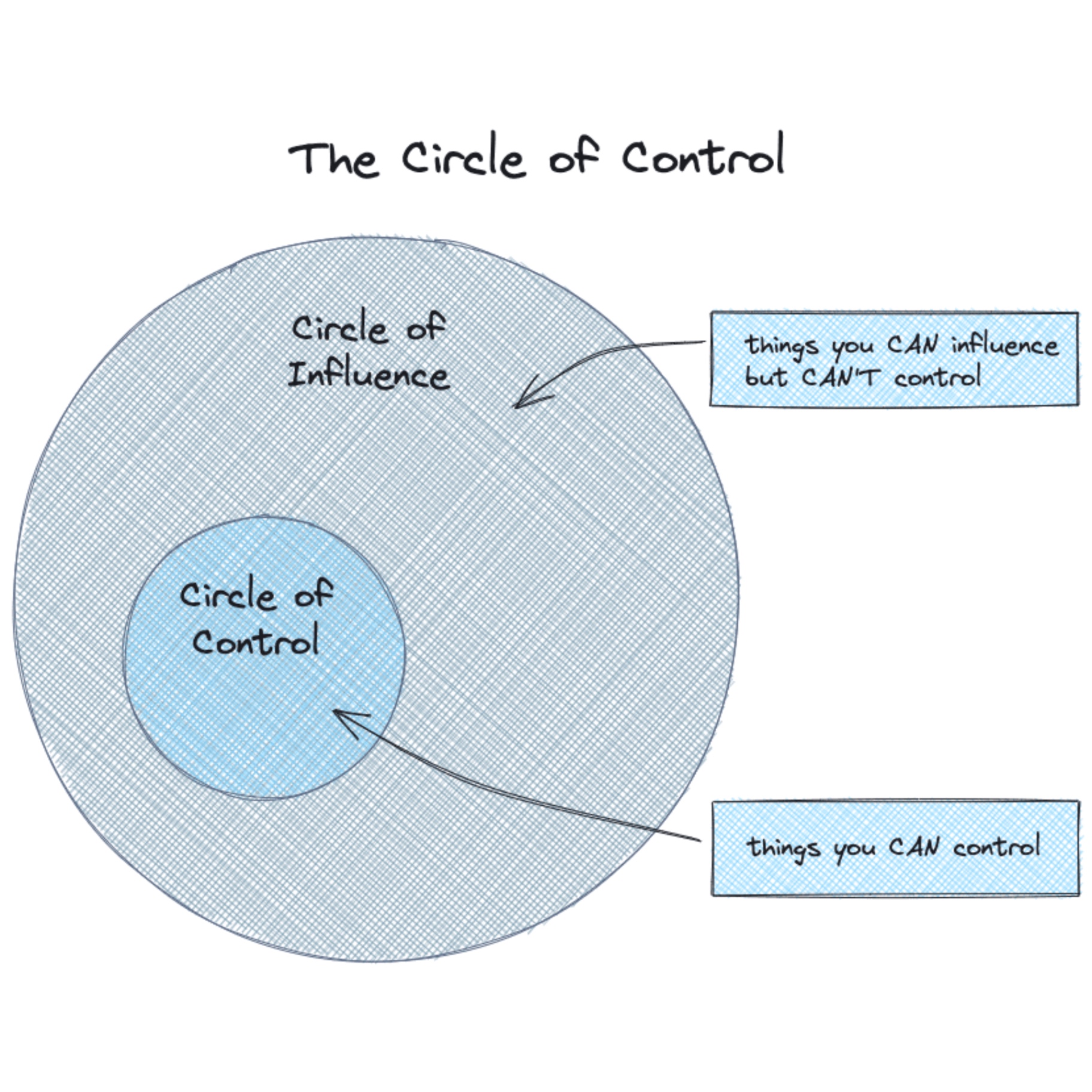
Partners matter. Friends matter. Family matters. But every one of those relationships is filtered through the same place — the mind someone carries everywhere they go. Others can’t always be controlled. Reactions, timing, and misunderstandings will happen. What can change is the internal relationship — one that is patient, honest, and supportive instead of critical and tense.
February doesn’t have to be a test of love. It can be a time to notice where love is practiced daily, quietly, and privately. Because the one relationship present in every conversation, every conflict, and every season is the one within. And when that relationship improves, many others often do too.
If you need greater clarification and awareness in your life, you are invited to set up an appointment with Julie or Wendy. We will be thrilled to be your self-advocate.

 help raise awareness of Seasonal Affective Disorder (SAD). Low energy, sluggishness, difficulty concentrating, and feelings of hopelessness or guilt are some of the symptoms that may indicate you are experiencing SAD. Reduced sunlight during the winter months can actually change your biology. Your circadian rhythm may be disrupted due to shorter days, which can contribute to feelings of depression. Reduced sunlight can also trigger a drop in serotonin, a neurotransmitter that affects mood. Additionally, changes in melatonin levels may disrupt sleep patterns. SAD is a natural experience, and fortunately, there are practices that can help you get through the darker winter months.



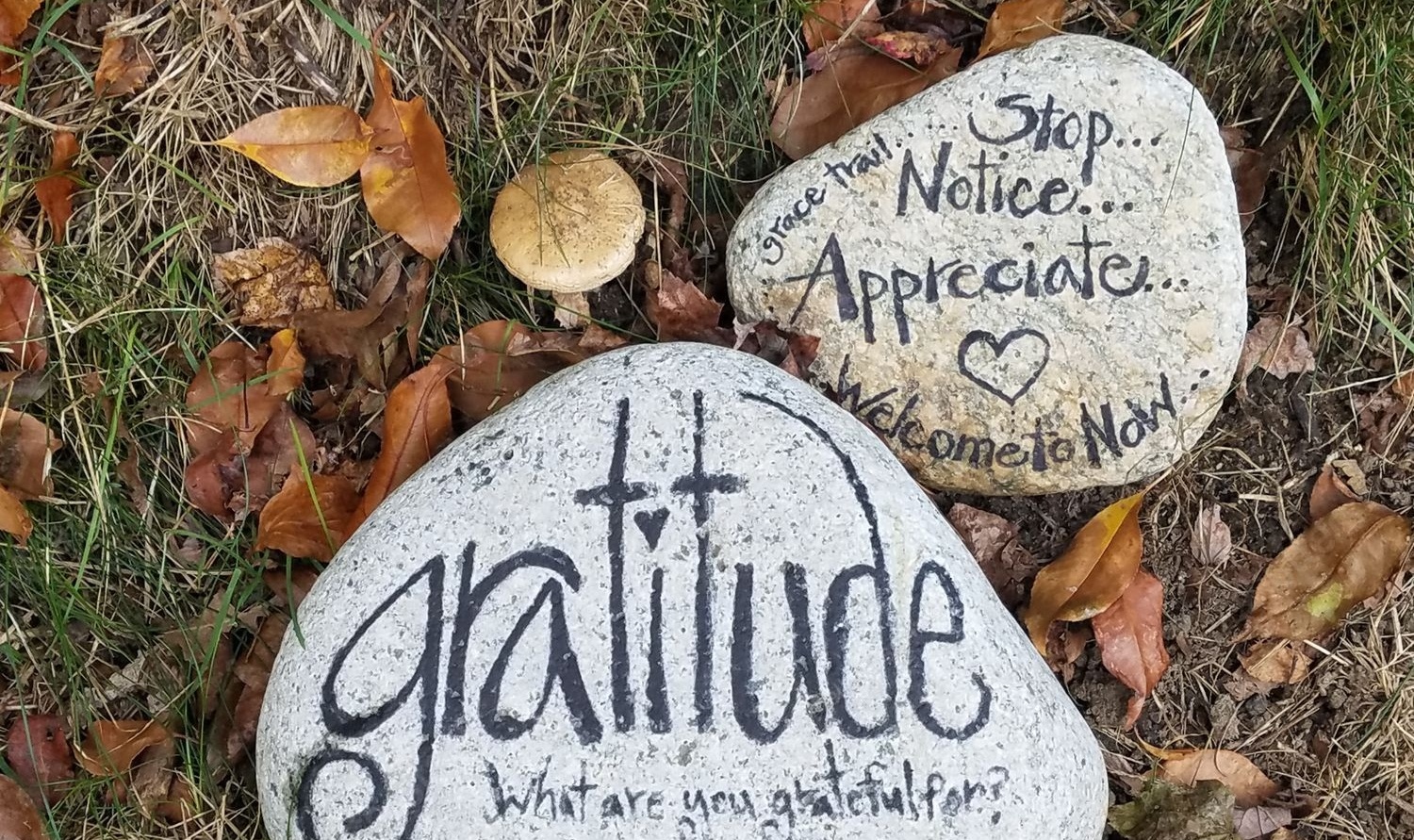 It’s a familiar memory for a lot of Americans: sitting around the table for Thanksgiving dinner, each person taking a moment to mention the things they’re grateful for. We still do it. It can heart warming and funny. Unfortunately, being grateful seems to be something we’re reminded of only once a year on the holiday.

 Healing Focus Counseling – Encouraging Healing through Mental Health